Financing
FHA 203(k) and VA Renovation Loans for a Pemberton Township Fixer-Upper
The short answer: A renovation loan lets you buy a house that needs work and fold the cost of that work into the mortgage. Pemberton Township and Browns Mills have a steady supply of homes that fit: solid structures with systems or finishes at the end of their life. The catch is that these programs require documentation before closing, not after.
Why renovation loans exist
Most mortgages are written against a home as it stands today. That works fine for a house that is already finished, and it fails for a house that is half done. A conventional lender looks at a bathroom with the fixtures pulled out and sees a property that may not meet appraisal conditions. A renovation loan solves that by lending against the value the home will have once the work is finished.
That single difference changes which houses are actually available to you.
How FHA 203(k) works
The 203(k) is an FHA program. It comes in two shapes. The limited version handles smaller, non-structural work with a streamlined process and a lower repair ceiling. The standard version covers larger projects, structural changes, and more complex scopes, and it brings a HUD consultant into the process to inspect the work at defined stages.
In both cases the loan amount is built around the as-completed value. Repairs are funded and released as work is completed and inspected, not handed to you up front. That protects the lender and it protects you, but it also means the contractor has to be willing to work within that release schedule.
How VA renovation loans work
VA renovation loans are for eligible veterans, active service members and surviving spouses. They follow VA rules on which contractors can be used, how inspections happen, and what the property has to meet at completion. The appeal is obvious: a low or no down payment route to a home that needs work, within a program built for the people who earned it.
Because the rules differ between FHA and VA in ways that matter, the right move is to talk to a lender who actually writes both, rather than assuming one will fit.
What lenders look at
| Item | What it means for you |
|---|---|
| Scope of work | A written, itemized description of what will be repaired or replaced. Vague scopes get sent back. |
| Contractor bids | Real written estimates from licensed contractors. Some programs require the contractor to be approved by the lender. |
| As-completed appraisal | The appraiser values the home as if the work were finished, using your scope and bids. |
| Contingency | A reserve percentage is usually built in for surprises found once walls open. |
| Timeline | Work has to be completed within a defined window after closing. |
Why a mid-renovation house can fail appraisal
A home with a new septic system and a half-finished interior sits in an awkward middle. It is not a finished house, and it is not a clean gut either. If a buyer writes a standard conventional or FHA offer, the appraiser has to confirm the property is safe, sound and habitable. Unfinished work, exposed surfaces, or a room that is not usable can produce conditions that have to be cured before closing.
That is not a reason to walk away. It is a reason to line up the financing before you write, so the appraisal is measuring the right thing.
The sequence that works
- Talk to a lender before you shop, and ask specifically for 203(k) and VA renovation options.
- Get a written scope and two or three contractor bids on the property you want, before the offer deadline if you can.
- Write the offer knowing the repair money and the timeline are already sized.
- Let the as-completed appraisal do its job, and keep the contingency intact.
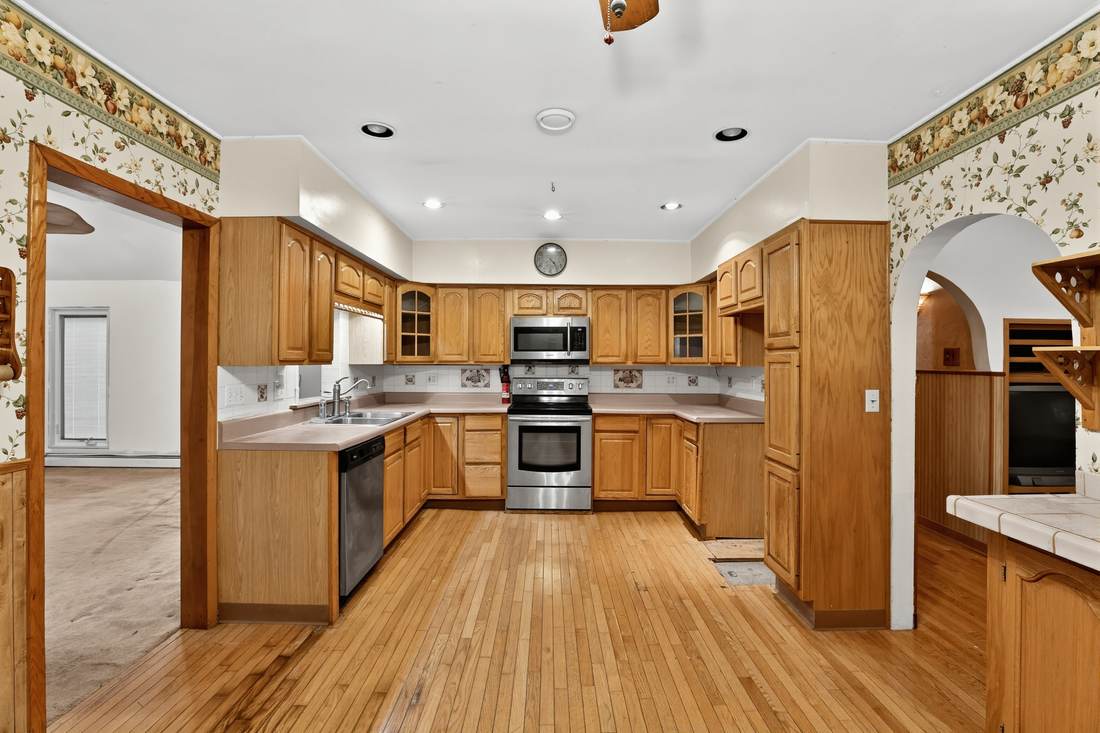
None of this is lending advice, and program rules change. Confirm every detail with a licensed lender and, where it applies, with your contractor before you commit. If you want to see how this plays out on a live property, 301 Carroll St is a working example.
Frequently asked questions
Can I use FHA 203(k) to buy a house that needs work?
Yes. A 203(k) loan combines the purchase or refinance of a home with the cost of approved repairs into one mortgage. The lender bases the loan on the projected value after the work is complete, not the as-is condition. The property still has to meet program requirements, and the scope has to be documented before closing.
What is the difference between FHA 203(k) and a VA renovation loan?
Both finance purchase plus repairs. The 203(k) is an FHA program open to eligible borrowers and is split into limited and standard versions depending on the size of the work. VA renovation loans are available to eligible veterans, active service members and surviving spouses, and follow VA rules for contractors and inspections. Which one fits depends on your eligibility and the scope of work.
Why would a home mid-renovation fail appraisal?
Renovation loan appraisals look at the property as completed. If a buyer applies for a standard conventional or FHA loan rather than a renovation product, the appraiser still has to confirm health and safety and that the home is habitable. A half-finished room, exposed work, or an incomplete system can raise conditions the seller has to cure before closing.
Do I need contractor bids before I make an offer?
On a renovation loan, yes, usually. Lenders need a written scope of work and contractor estimates so the repair money can be sized and escrowed. Getting bids early is the step most buyers skip, and it is the one that delays closings most often.
Questions about 301 Carroll St?
Call or text Bob at 856.426.1522, or book a showing and see the house for yourself.
Schedule a Tour